Restoring Ecosystems.
Strengthening Communities.
Building Climate Resilience
WHY APREH
Asociación Proyecto de Reforestación Eden Honduras (APREH) has been restoring and protecting degraded areas of Honduras since 2020, with a focus on participatory forest restoration, fire prevention, and sustainable livelihood development. Restoration is approached as an integrated process—one that reconnects fragmented forests, strengthens ecosystem functions, and empowers local communities as long-term stewards of the land.
APREH's vision is to be a leading organization in ecological restoration and sustainable development in Honduras, recognized for regenerating native forests, protecting watersheds, and improving the quality of life in rural communities. We aspire to a future where people live in harmony with nature, where restored forests are a source of life, prosperity, and hope for present and future generations.
Our Mission
To restore Honduras' forest ecosystems through reforestation, conservation, and sustainable management efforts that foster the holistic development of local communities. We promote job creation, environmental education, and community participation in the restoration of their own territories, strengthening ecological and social resilience to the effects of deforestation and climate change.
Program Details
Our Challenges
Honduras, a country of great natural wealth in the heart of Central America, faces environmental challenges of considerable magnitude. The degradation of its ecosystems threatens not only biodiversity but also the well-being of its communities. Massive deforestation, driven by illegal logging, unplanned agricultural and livestock expansion, and urban growth, has devastating consequences: severe soil erosion, worsening droughts and floods, an increased incidence of forest fires, vulnerability to pests such as the bark beetle, and an irreparable loss of biodiversity. These problems are accelerated by the effects of climate change, which exert immense pressure on ecosystems.
Our Solution
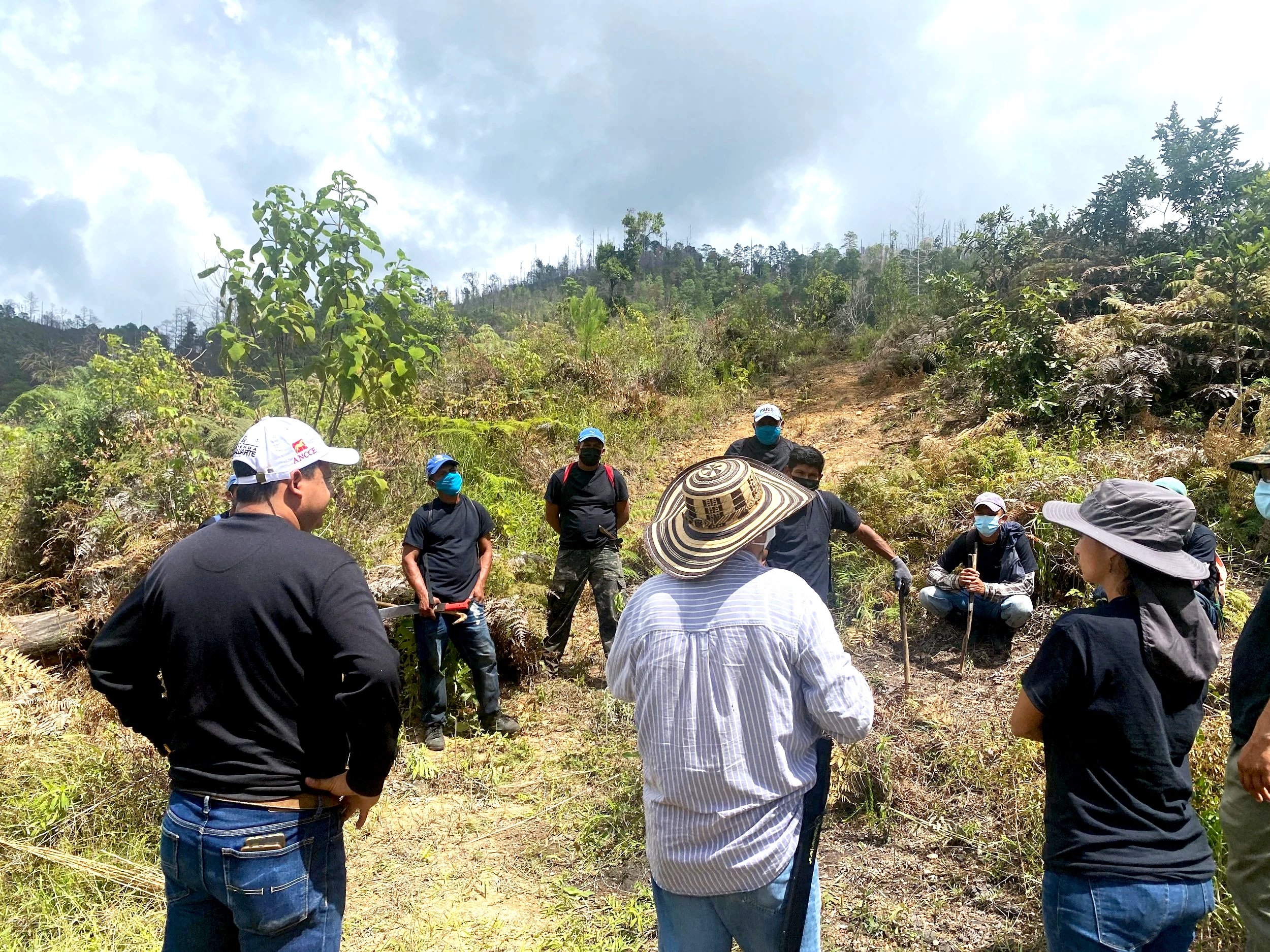
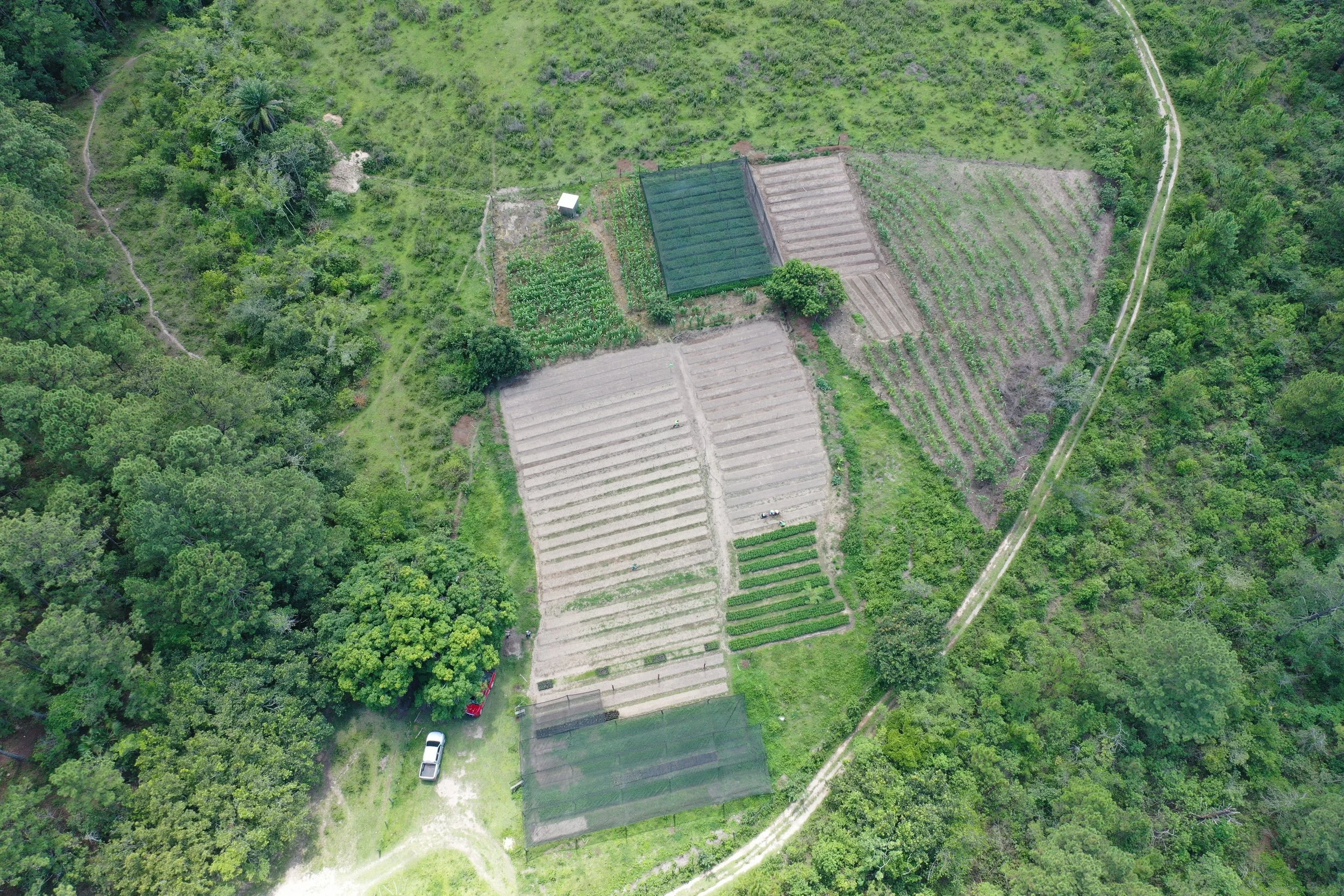
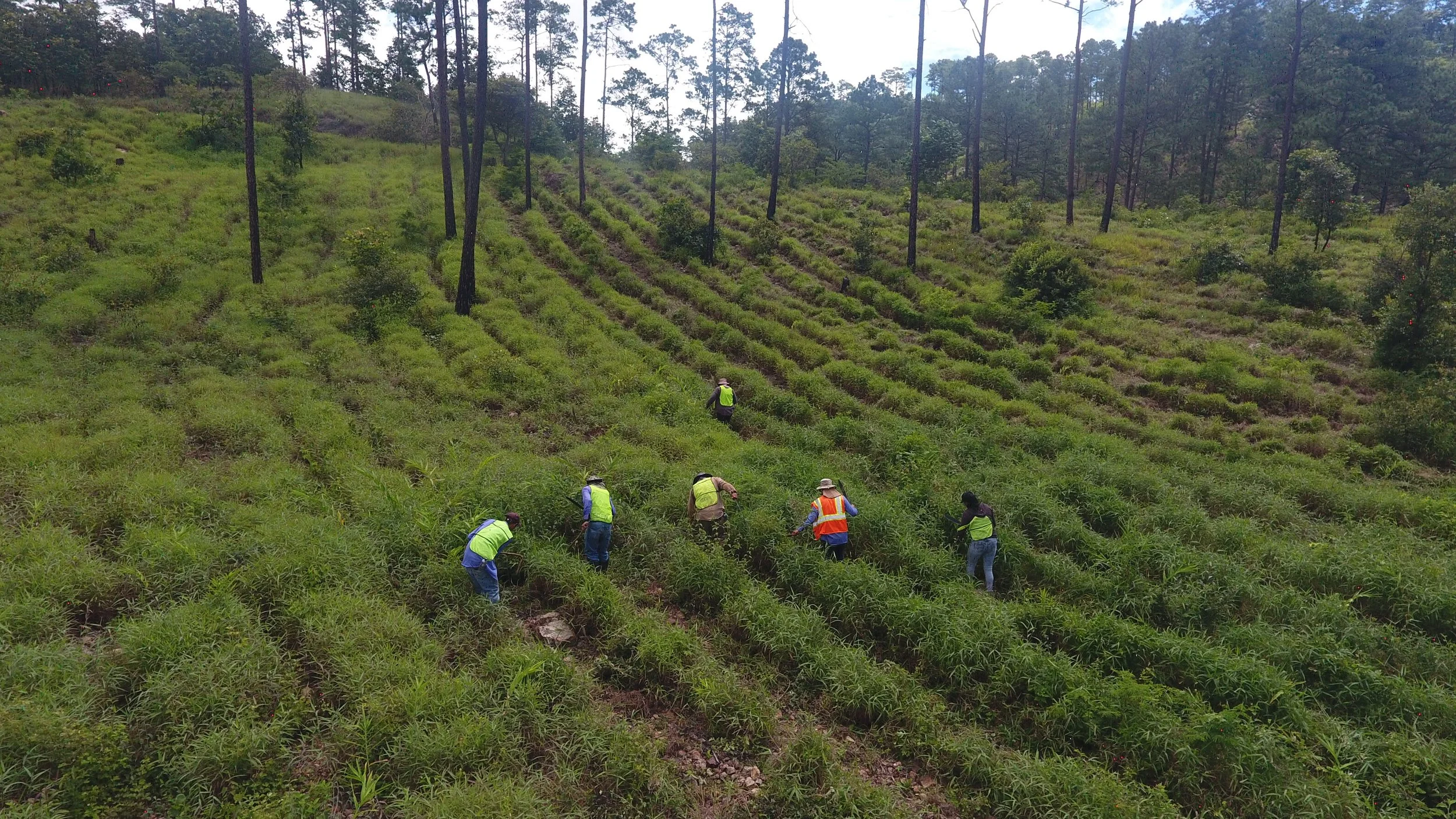
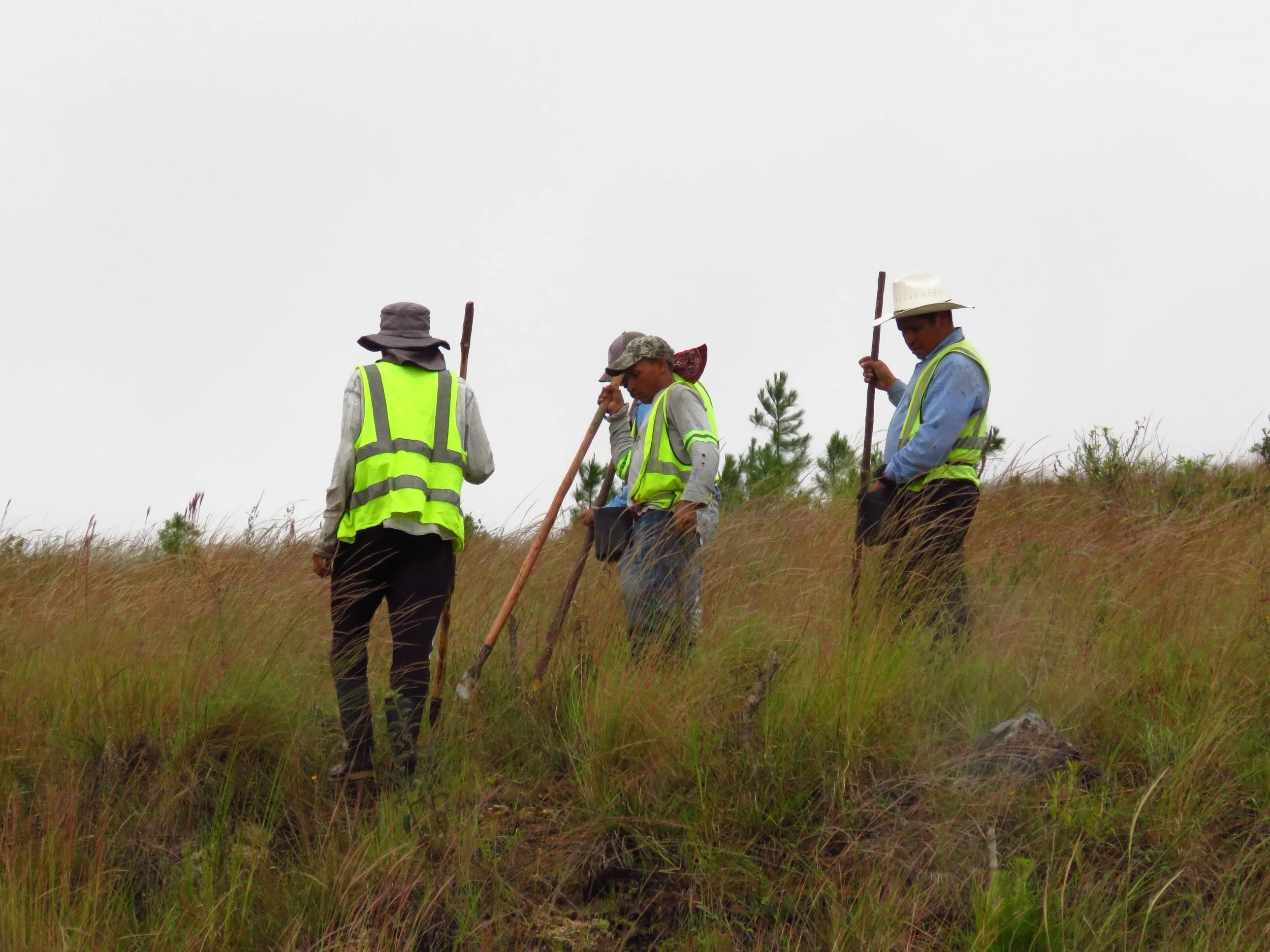
APREH is deploying effective measures to protect and restore more than 12,000 hectares in the departments of Francisco Morazán and Olancho, operating in ten terrestrial and two agroforestry sites. APREH strategically integrates watershed protection, biodiversity conservation, and a comprehensive fire prevention and control campaign to ensure the long-term viability of ongoing reforestation and natural regeneration efforts. Simultaneously, it generates local employment by engaging nearby communities in forest monitoring, reforestation, and fire control activities. These community-led approaches create sustainable economic alternatives that reduce pressure on forest resources. By linking ecological restoration with social inclusion, APREH generates immediate environmental and livelihood benefits while building long-term resilience, ensuring that the ecological, social, and economic gains achieved endure for generations.
Our Impact
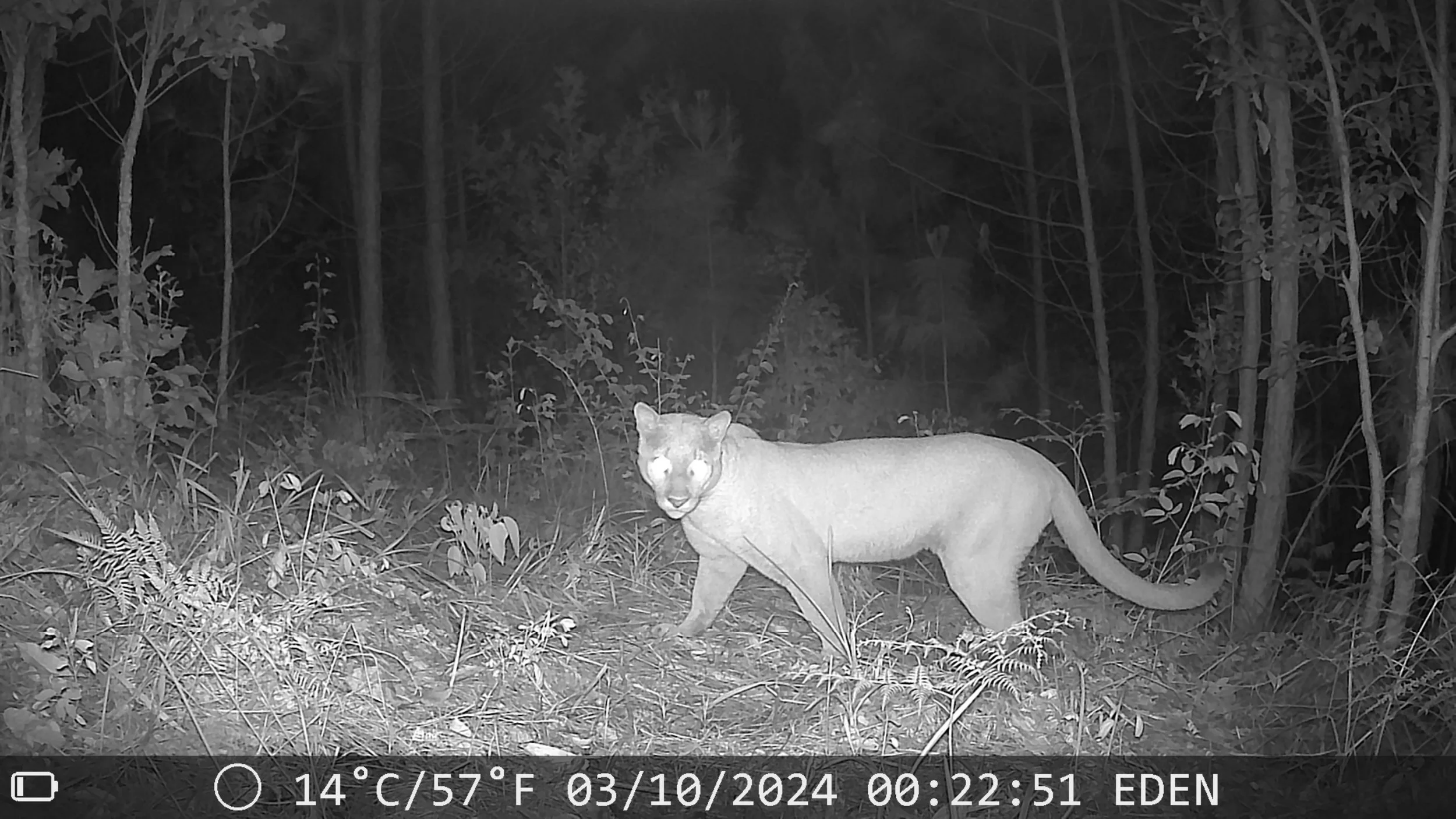
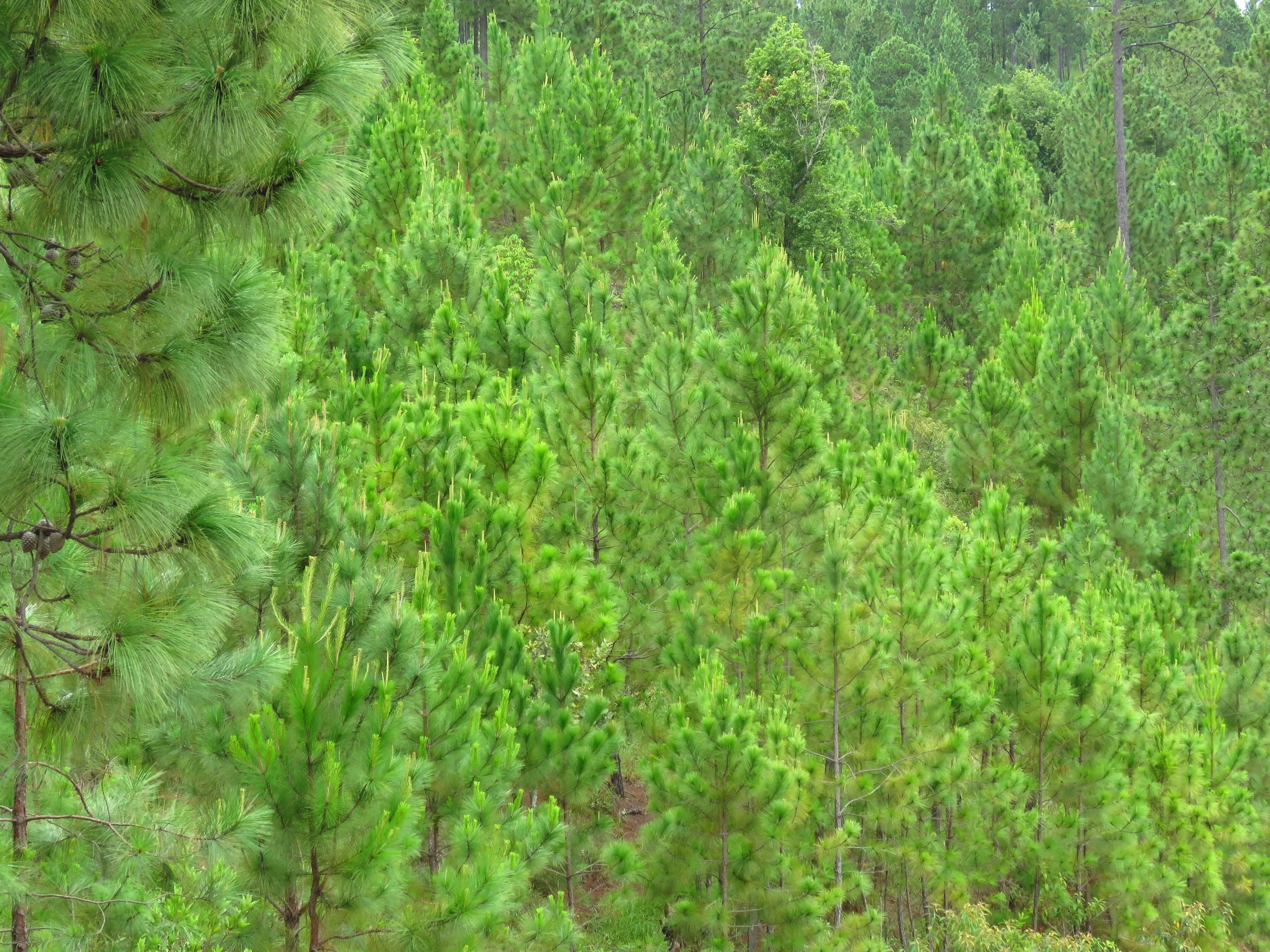
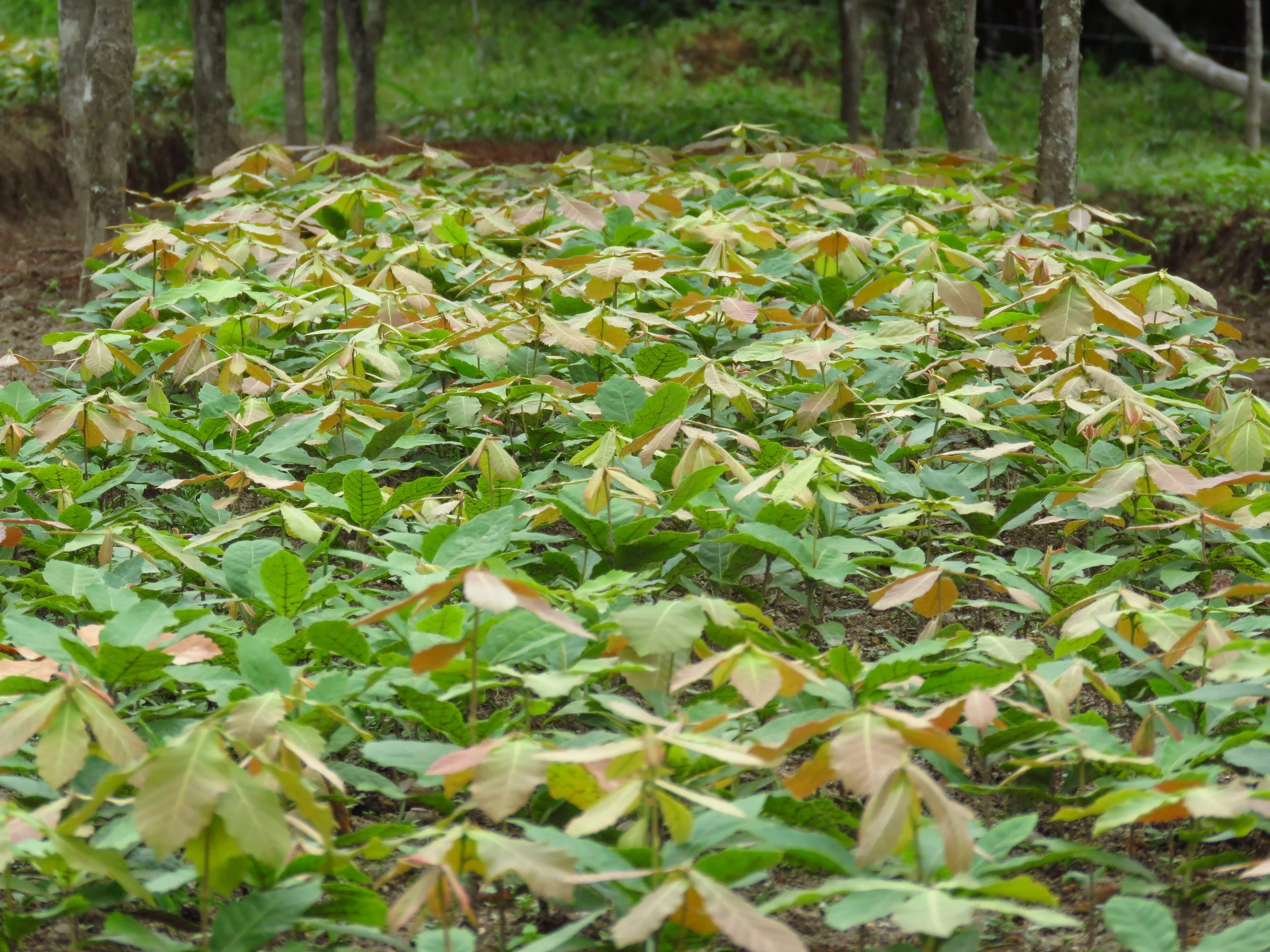
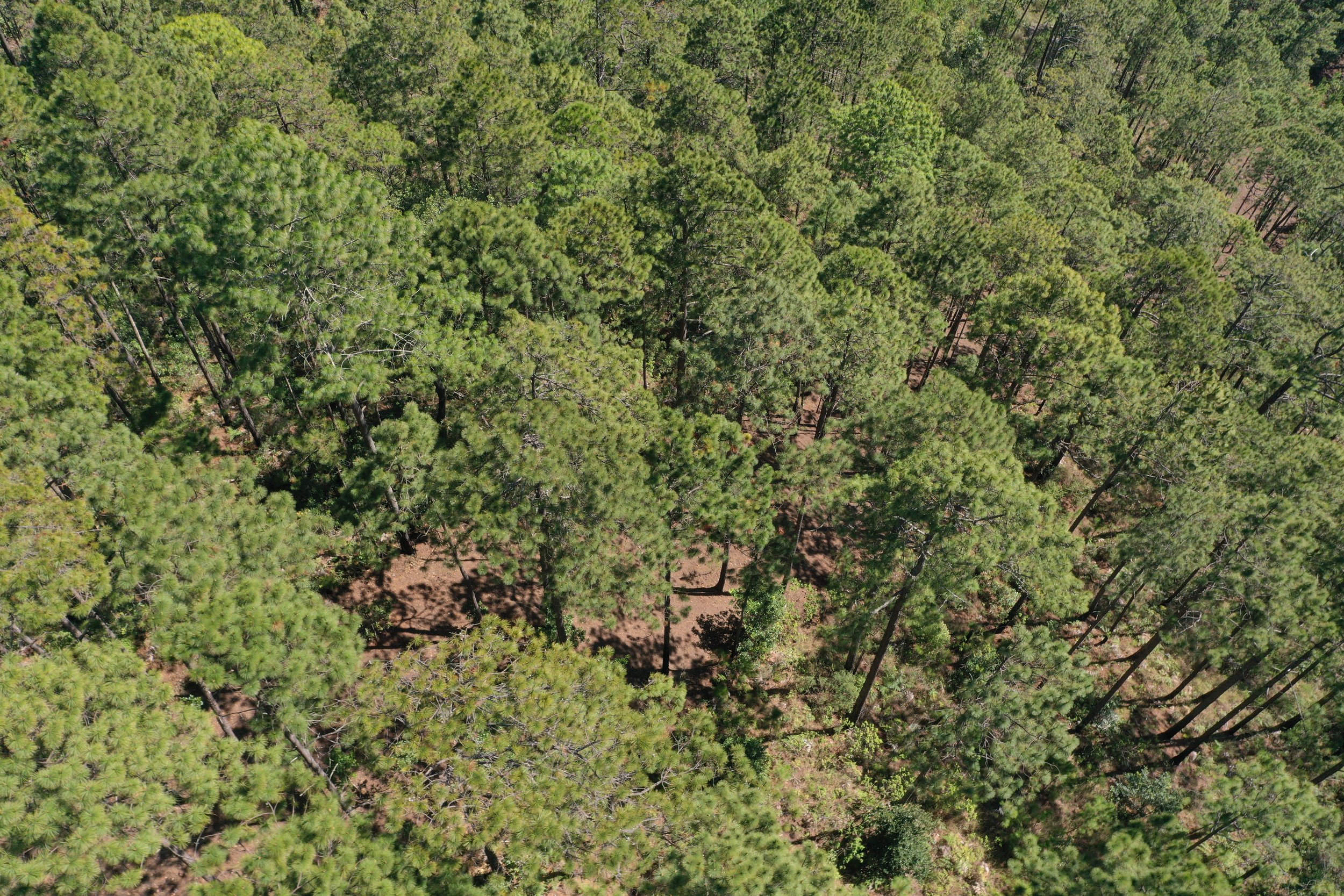
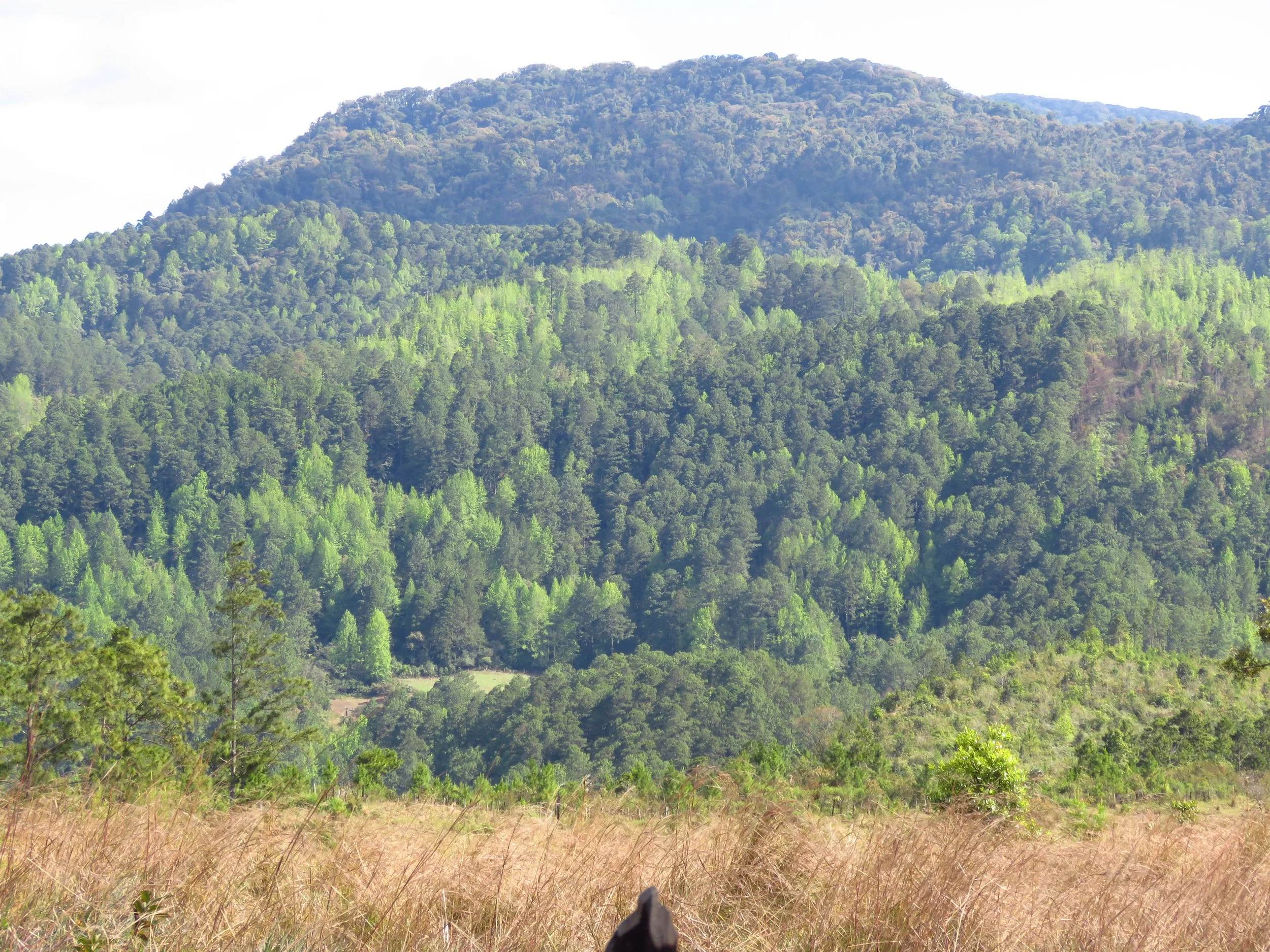
APREH has planted over 9 million trees thus far, but this number is only the beginning of a deeper transformation. New forests recreate essential habitats for wildlife: species such as the puma are returning and finding sanctuary in these restored areas, indicating a healthy ecosystem. Vital ecosystem services are being restored: forests regulate the water cycle, recharge aquifers, prevent soil erosion, and moderate the local climate, directly benefiting nearby communities. Operating in areas with scarce employment, APREH recognizes that true environmental sustainability is linked to social progress and collaboration. Technical and field staff receive specialized training, fostering a sense of ownership and responsibility that ensures long-term success.
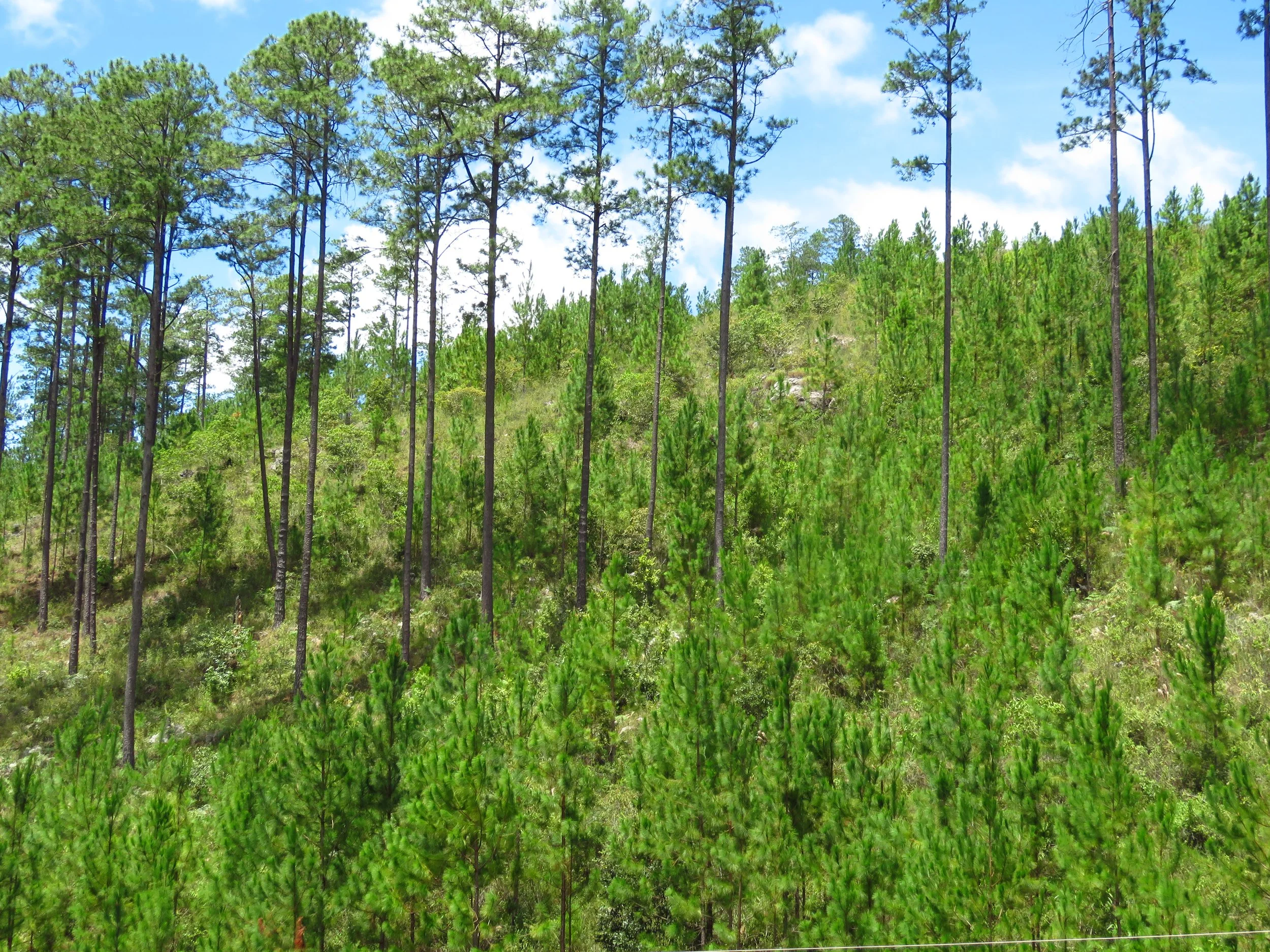
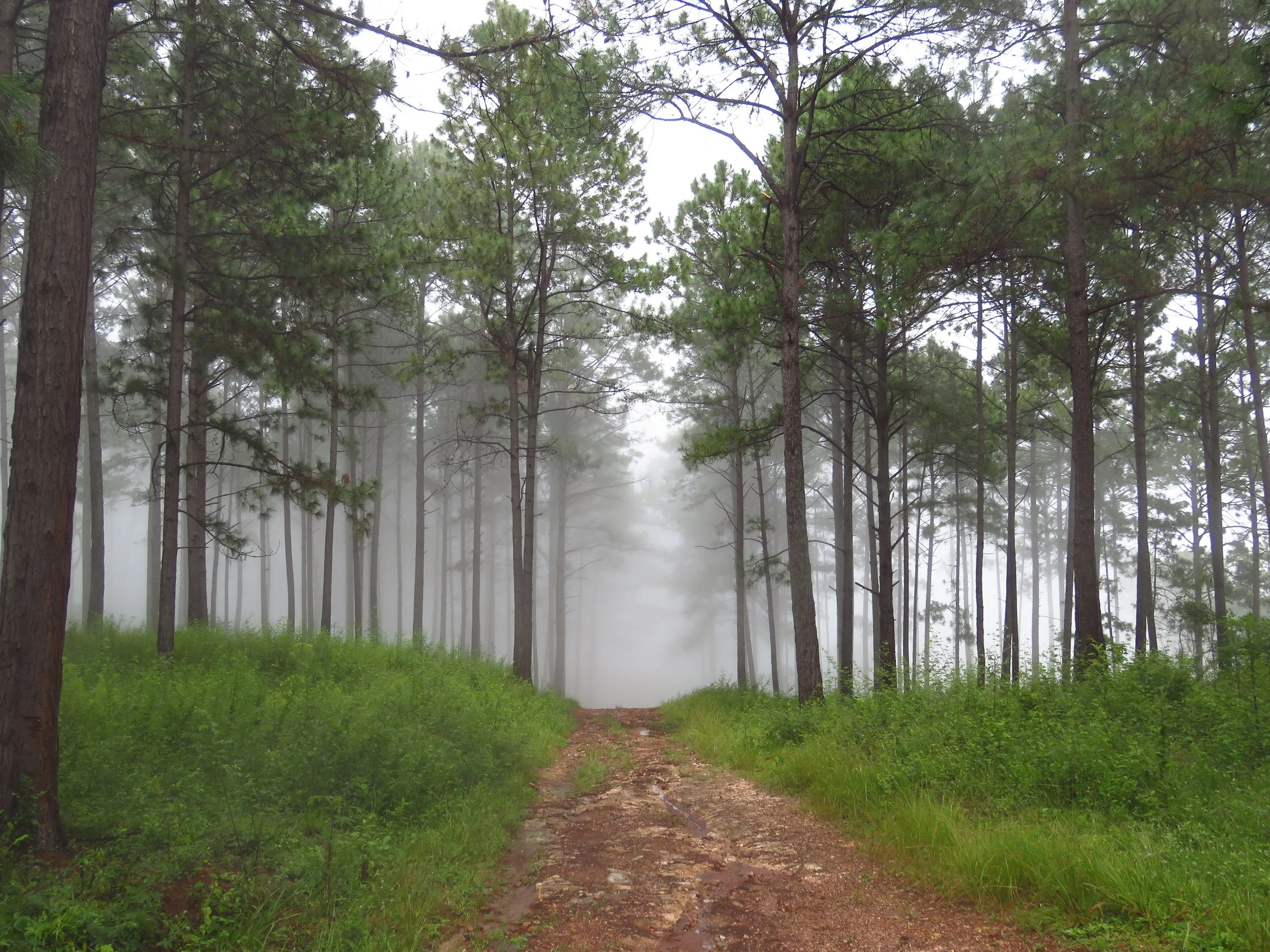
The path of ecological restoration in Honduras is fraught with challenges, but APREH's work demonstrates that with a comprehensive, scientific, and deeply community-based approach, it is possible to reverse degradation. People can now walk through sites that have witnessed five years of continuous work and enjoy the shade of the now tall trees. The more than 9 million trees planted, hundreds of jobs created, partnerships strengthened, and wildlife returning to restored forests are testament to APREH’s tangible impact.
Gallery